
Mindfulness has travelled a long way from meditation retreats into apps, workplace trainings and doctors' waiting rooms. Along the way the word has been stretched to cover almost anything calming, which makes it harder to know what it actually is or whether it is worth your time. This guide covers what mindfulness means in practice, what the research does and does not support, and a few simple ways to try it without overhauling your life.
What Mindfulness Actually Means
Mindfulness is usually described as paying deliberate attention to the present moment without judging what you find there. That sounds abstract, so it helps to break it into three parts: noticing what is happening right now, noticing it on purpose rather than by accident, and letting it be what it is instead of immediately labelling it good or bad.
Two things it is not: it is not emptying your mind, and it is not forcing yourself to feel relaxed. A mindfulness session in which your attention wanders fifty times is not a failed session. Noticing the wandering and returning is the practice. Relaxation is a frequent side effect, not the goal.
The approach most studied in clinical settings is structured and secular, typically taught over eight weeks in programmes such as Mindfulness-Based Stress Reduction. Informal everyday mindfulness is a looser version of the same skill.
Where the Evidence Stands
Mindfulness has a reasonable research base, but it is uneven, and honest reading of it matters more than enthusiasm.
The strongest findings are in structured programmes for stress, anxiety symptoms and low mood, where reviews generally report modest to moderate improvements. In chronic pain, mindfulness training appears to help some people cope better with pain and its emotional weight, with smaller effects on pain intensity itself. There is also reasonable evidence for improved sleep quality in people with insomnia symptoms, though usually less dramatic than the headlines suggest.
The evidence is thinner elsewhere. Claims about lasting changes in attention, memory or productivity rest on small studies with mixed results. Research on blood pressure, immune function and inflammation is early and inconsistent. Many trials are small, compare mindfulness against doing nothing rather than against another active approach, and rely on participants reporting their own outcomes — all of which tends to flatter the results.
It is also worth saying that mindfulness is not universally pleasant. A minority of people find that sustained attention to inner experience surfaces difficult thoughts or memories, and for anyone with a history of trauma or significant mental health difficulties, practising with guidance from a trained teacher or clinician is the sensible route rather than a free app.
Eight Ways to Practise Mindfulness
These range from formal sitting practice to things you can fold into an ordinary Tuesday. You do not need all of them — one or two done regularly beats eight done once.
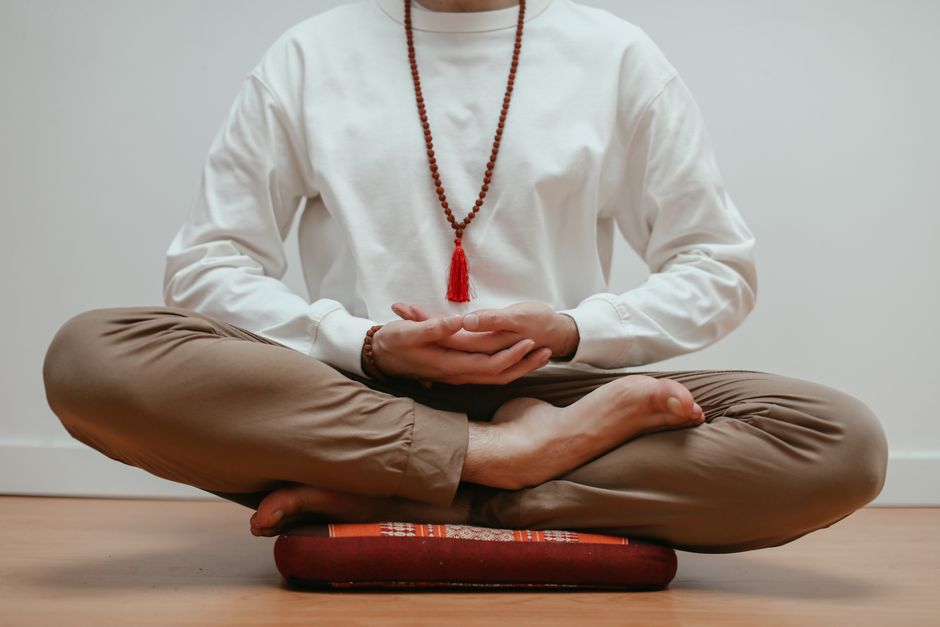
- Breath-focused sitting. Sit comfortably, rest your attention on the physical sensation of breathing, and when you notice your mind has wandered, bring it back. Five to ten minutes is a real session. This is the plainest and most widely taught form.
- Body scan. Move your attention slowly from your feet to your head, noticing sensation in each area without trying to change it. Often used as a wind-down practice, and a common starting point for people who find breath focus uncomfortable.
- Mindful walking. Walk at an unhurried pace and pay attention to contact with the ground, the movement of your legs, the air on your skin. Useful if sitting still makes you restless.
- Single-task eating. Eat one meal, or even a few bites, without a screen or a book. Notice flavour, texture and the point at which you stop being hungry. This is the easiest practice to attach to something you already do three times a day.
- Noting thoughts. When a thought arrives, silently label it in a word or two — planning, worrying, remembering — and let it pass. The point is to see thoughts as events rather than instructions.
- Three-breath pause. Before a meeting, a difficult message or the drive home, take three deliberate breaths and notice how you feel. It takes fifteen seconds and is the practice most likely to survive a busy week.
- Open awareness. Rather than focusing on one object, let sounds, sensations and thoughts come and go while you stay aware of the whole field. Usually easier once a narrower practice feels familiar.
- Loving-kindness practice. Quietly repeat simple well-wishes towards yourself and then others. Technically a cousin of mindfulness rather than mindfulness proper, and the evidence is less developed, but many people find it a useful counterweight to self-criticism.
What Progress Actually Looks Like
People often expect a steady decline in mental noise and conclude they are doing it wrong when that does not arrive. A more realistic marker is the gap between a trigger and your reaction getting slightly wider — noticing irritation before it becomes a snapped reply, or catching a spiral of worry a few minutes earlier than you used to.
Benefits in the research generally show up over weeks of fairly regular practice, not after one long session. Consistency appears to matter more than duration, which is good news if your realistic ceiling is ten minutes.
How to Start
- Pick one practice and one time. Breath-focused sitting after you brush your teeth, say. Deciding in advance removes the daily negotiation.
- Start smaller than feels impressive. Five minutes is enough to build the habit. You can lengthen it later if you want to.
- Use a guide at first. A free guided recording or a short course removes the guesswork about what you are meant to be doing.
- Expect a wandering mind. Returning your attention is the exercise, not a sign of failure.
- Give it a few weeks before judging. Note roughly how you feel at the start and again after a month, rather than assessing it session by session.
- Seek proper support if you need it. If practice consistently leaves you distressed, or you are managing a mental health condition, work with a qualified teacher or clinician rather than going it alone.
The Short Version
Mindfulness is a trainable skill of paying attention on purpose, and the evidence that structured practice may support stress, mood, pain coping and sleep is reasonable, if less sweeping than the marketing. It is low cost, low risk for most people, and it works best as a modest daily habit rather than an occasional heroic effort. Ten minutes a day, one practice, a few weeks of patience, and you will know far more about whether it suits you than any article can tell you.
This article is for general information only and is not medical advice. Speak with a qualified healthcare professional before making significant changes to your diet, exercise, or health routine.