
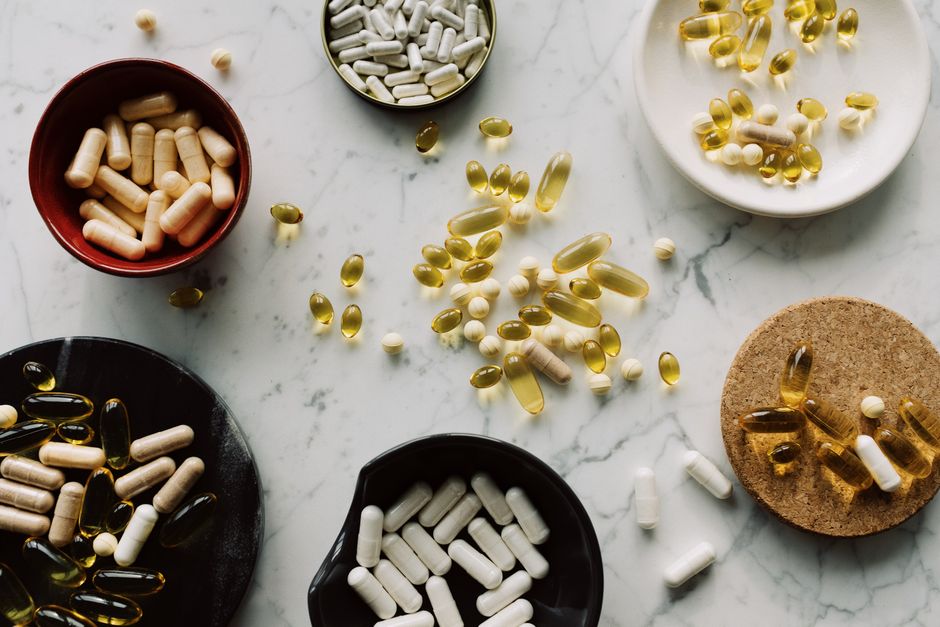
Walk down the digestive aisle and you will find shelves of capsules promising a "reset," a "cleanse," or a rebuilt microbiome in thirty days. Gut health has become one of the biggest categories in supplements, and the marketing has raced well ahead of the science. Some products do have reasonable research behind them for specific, narrow purposes. Others are mostly an expensive way to buy fibre you could get from food.
Here is a measured look at which gut health supplements have real evidence behind them, which ones are still speculative, and how to think about the whole category without wasting money.
What "Gut Health" Actually Means
"Gut health" is a loose umbrella term rather than a medical diagnosis. In practice, people usually mean some combination of comfortable digestion, regular bowel movements, less bloating and gas, and a diverse population of gut bacteria.
That last part matters because the microbiome is genuinely interesting research territory — but it is also young research. Scientists can describe differences between the gut bacteria of different groups of people far better than they can tell you how to deliberately change yours for a predictable result. Anyone selling certainty here is overselling.
Where Supplements Fit, and Where They Don't
The unglamorous truth is that the things with the strongest effect on digestion are not supplements at all: total fibre intake, variety of plant foods, fermented foods, adequate fluids, sleep, movement, and managing stress. Most people would see more change from adding a few servings of beans, oats, and vegetables each week than from any capsule.
Supplements are best understood as narrow tools. A specific product, for a specific symptom, in a specific person, may help. That is a much smaller claim than "supports gut health," and it is closer to what the evidence actually supports.
Gut Health Supplements With the Most Credible Evidence
Specific probiotic strains. Probiotics are not one product — they are hundreds of different organisms, and the research is strain-specific. Certain strains have reasonable evidence for particular situations, such as easing digestive upset during or after a course of antibiotics, or reducing some irritable bowel syndrome symptoms. A product that lists its exact strains, not just "Lactobacillus blend," is the one worth considering.
Saccharomyces boulardii. A beneficial yeast rather than a bacterium, this is among the better-studied single ingredients for antibiotic-associated digestive upset and certain forms of traveller's diarrhoea. It is a good example of a supplement with a genuinely defined job.
Psyllium husk. Probably the most reliable performer in the category. As a soluble fibre it may help with both constipation and loose stools by adding bulk and holding water, and it has decades of use behind it. It also tends to be inexpensive.
Prebiotic fibres. Inulin, fructo-oligosaccharides, and galacto-oligosaccharides feed existing gut bacteria rather than adding new ones. There is decent evidence that they shift the microbiome's composition. Worth knowing: they cause gas and bloating in a fair number of people, especially at higher amounts, and they are a common trigger for anyone sensitive to FODMAPs.
Partially hydrolysed guar gum. A gentler soluble fibre that tends to be better tolerated than inulin, with modest evidence for improving stool consistency and regularity. A reasonable alternative for people who find other fibres uncomfortable.
Enteric-coated peppermint oil. One of the more consistently supported options for the abdominal pain and cramping of irritable bowel syndrome. The enteric coating matters — it is designed to let the oil pass the stomach, where it would otherwise contribute to reflux.
Lactase enzymes. Digestive enzyme blends are widely sold, but the one with clear, uncontroversial evidence is lactase, for people who do not produce enough of it and want to eat dairy. Broad-spectrum "digestive enzyme" formulas for general bloating have much weaker support.
Ginger. Modest but real evidence for nausea, and some for speeding stomach emptying. It will not transform your microbiome, but it is a cheap and reasonably well-supported option for queasiness.
Popular Products Where the Evidence Is Thin
It is worth being blunt about the other half of the shelf:
- Collagen and bone broth powders for "gut lining repair" — a plausible-sounding mechanism with very little human evidence for digestive outcomes.
- L-glutamine — studied mainly in clinical settings such as critical illness; the extrapolation to everyday bloating is not well supported.
- Apple cider vinegar — popular, but human research on digestion specifically is sparse, and it can irritate the oesophagus and tooth enamel.
- "Gut cleanse" and "detox" protocols — the liver and kidneys already do this work. These products often rely on laxatives, which can make regularity worse over time.
- Very high-CFU proprietary blends — a bigger number on the label is not evidence of a better result, particularly when the specific strains are not disclosed.
None of this means these ingredients are harmful. It means the research does not yet justify the confidence with which they are sold.
How to Choose a Product Worth Your Money
- Look for named strains or specific fibre types, not proprietary blends.
- Prefer products with third-party testing, since supplements are regulated less tightly than medicines in most countries.
- Check storage requirements — some probiotics need refrigeration to stay viable.
- Be sceptical of any product promising to fix bloating, energy, mood, skin, and immunity at once.
How to Start
- Fix the basics first. Give a few weeks to more fibre-rich food, more plant variety, and better hydration before spending anything.
- Change one thing at a time. Starting three products at once makes it impossible to know what helped or what caused new bloating.
- Start low and go slowly with any fibre or prebiotic, as gas and discomfort are common when you increase too quickly.
- Give it a fair trial. Four weeks is usually enough to form a view; if nothing has changed, stop rather than adding more.
- Keep brief notes. Symptoms fluctuate on their own, and memory is unreliable. A short daily log makes the difference obvious.
When to Talk to a Professional Instead
Supplements are the wrong first move for some symptoms. Persistent changes in bowel habits, unexplained weight loss, blood in the stool, ongoing pain, difficulty swallowing, or symptoms that wake you at night all warrant a proper assessment rather than a trial of capsules. The same applies if you are pregnant, immunocompromised, or taking regular medication, since some supplements interact with prescriptions and live-organism products are not appropriate for everyone.
The Short Version
A handful of gut health supplements — particular probiotic strains, S. boulardii, psyllium, certain prebiotic fibres, enteric-coated peppermint oil, lactase, ginger — have credible evidence for specific, limited jobs. Most of the rest of the category is sold on mechanism and hope rather than results. The best return is still the least marketable one: more fibre, more variety on the plate, and enough sleep and movement to let your digestion settle.
This article is for general information only and is not medical advice. Speak with a qualified healthcare professional before making significant changes to your diet, exercise, or health routine.