
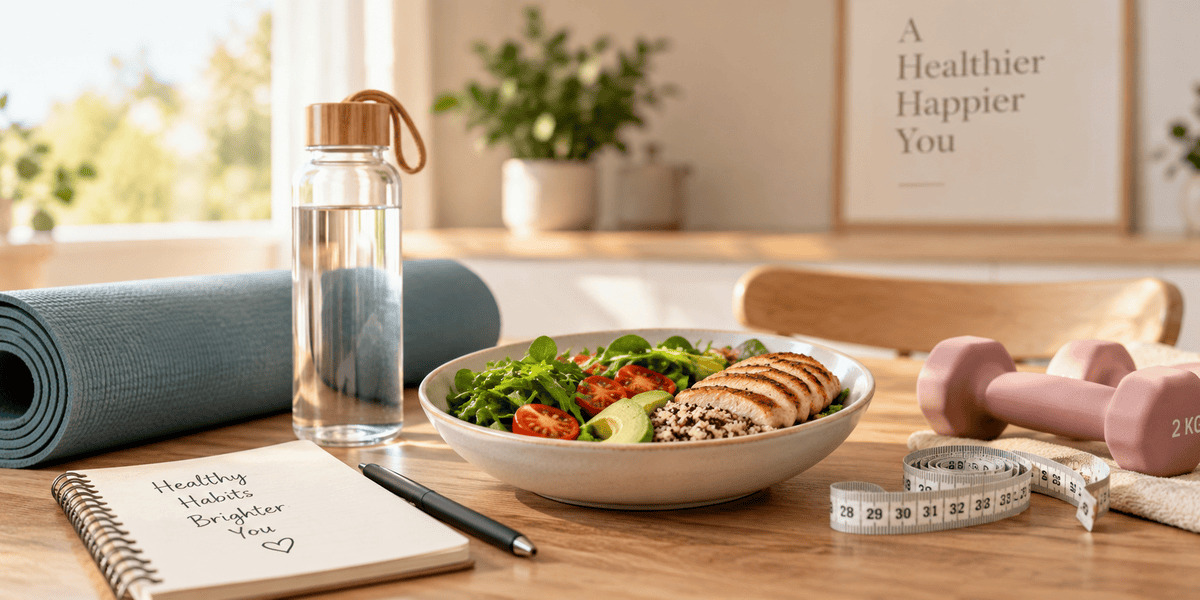
A healthier lifestyle does not require following a perfect routine. Wellness is often built through ordinary choices that are repeated consistently, such as eating a variety of nutritious foods, moving regularly, getting enough rest and making time to recharge.
With so much wellness advice available online, it can be tempting to look for a single solution or dramatic change. A more practical approach is to understand the basic areas of everyday wellness and gradually build habits that fit your life.
What does a healthy lifestyle include?
A healthy lifestyle can involve several areas of daily life. Nutrition, physical activity, sleep, hydration, stress management, social connection and personal time can all play a role in overall well-being.
These areas do not need to be perfect. The goal is to create a balanced routine that is realistic for your schedule, preferences and circumstances.
Start with realistic wellness goals
Before changing your routine, think about what you actually want to improve. A clear and manageable goal is easier to work toward than a general goal of becoming healthier overnight.
You might want to walk more, improve your meals, create a consistent bedtime, drink more water, spend less time sitting or make more time for activities you enjoy.
Choose a goal that you can realistically work on rather than trying to change everything at once.
Make movement part of your day
Regular movement is an important part of an active lifestyle. You do not need to spend every day in a gym to become more active.
Walking, cycling, swimming, dancing, recreational activities, stretching and strength exercises are all possible ways to add movement to your routine.
If you are currently inactive, start with manageable activity and increase gradually as appropriate for you.
Look for opportunities to move more
Wellness is not limited to formal workouts. Everyday activities can also create opportunities for movement.
- Take a short walk during a break.
- Use stairs when practical.
- Walk while talking on the phone.
- Stretch after long periods of sitting.
- Choose active hobbies you enjoy.
- Take short movement breaks during desk-based work.
Small amounts of movement can be easier to incorporate than a routine that depends entirely on long workouts.
Build balanced meals
Food is another important part of everyday wellness. Rather than following complicated food rules, focus on including a variety of nutritious foods.
Meals can include vegetables or fruit, protein-rich foods, whole grains or other carbohydrate sources and healthy fats depending on your individual needs.
You can also leave room for foods you enjoy. A sustainable eating pattern does not have to be based on strict restrictions.
Keep healthy choices convenient
Your environment can make healthy habits easier or harder. Keeping useful foods and wellness items within easy reach can reduce the effort required to follow your routine.
- Keep fruit and other convenient nutritious foods available.
- Prepare simple ingredients ahead of time.
- Keep water nearby during work or study.
- Store exercise equipment where you can easily access it.
- Create a comfortable area for stretching or relaxation.
Pay attention to sleep
Sleep is an important part of a healthy lifestyle. A consistent routine can help make regular rest easier to prioritize.
Try to keep a relatively consistent sleep schedule, create a comfortable sleeping environment and give yourself time to wind down before bed.
If you regularly experience significant sleep difficulties, consider speaking with a qualified healthcare professional.
Manage everyday stress
Stress is a normal part of life, but constant demands can make healthy routines harder to maintain.
Simple activities such as walking, exercise, breathing exercises, hobbies, social connection, journaling or quiet time may help you create opportunities to relax.
There is no single stress-management method that works for everyone. Experiment with practical options and identify what fits your routine.
Stay hydrated
Hydration is another simple part of everyday wellness. Water can be an easy choice throughout the day, while individual needs can vary depending on activity, environment and other circumstances.
Keeping a reusable bottle nearby can make water more convenient. You can also include water with meals and during physical activity.
Be mindful of long periods of sitting
Work, study and screen-based activities can lead to long periods of inactivity. Adding short movement breaks can help make your day more active.
Stand up periodically, walk around, stretch or change positions when practical. These small changes can be easier to maintain than trying to compensate for a sedentary day with one long workout.
Create a simple morning routine
A morning routine can provide structure without needing to be complicated. Consider choosing a few activities that help you start the day in a calm and organized way.
This might include drinking water, having breakfast, stretching, walking, reviewing your schedule or simply spending a few quiet minutes away from screens.
Create a relaxing evening routine
Your evening routine can help you transition from daily activities toward rest. Try reducing unnecessary tasks and creating a consistent sequence that works for you.
Preparing for the next day, limiting stimulating activities before bed and making time to relax can all be useful components of an evening routine.
Make time for things you enjoy
Wellness is not only about food and exercise. Enjoyable activities, hobbies, relationships and personal time can also contribute to a balanced lifestyle.
Make room for activities that help you recharge. Even a small amount of personal time can make a routine feel more balanced.
Do not try to change everything at once
One of the easiest ways to make a wellness plan difficult is to introduce too many changes at the same time.
Instead, choose one or two habits and practice them until they become more familiar. Then consider whether another change would be useful.
Track habits instead of chasing perfection
Tracking can help you understand your routine. You could record how often you walk, exercise, prepare meals, drink water or maintain your sleep schedule.
The purpose is to identify patterns rather than judge yourself. Missing a workout or having an unhealthy meal does not mean your entire routine has failed.
Be flexible when life changes
Travel, work, family responsibilities, holidays and unexpected events can interrupt even a well-established routine.
Instead of abandoning your habits when circumstances change, identify the simplest version of your routine that you can maintain during that period.
Once your schedule returns to normal, you can gradually return to your usual habits.
How to make wellness habits stick
Habits can be easier to maintain when they are connected to something you already do.
- Take a short walk after a regular meal.
- Prepare tomorrow's breakfast while making dinner.
- Stretch after finishing a work session.
- Keep your water bottle next to your workspace.
- Set aside a regular time for relaxation.
Making the habit convenient can reduce the effort needed to begin.
When professional guidance may be useful
General wellness information can help with everyday habits, but it cannot replace individualized healthcare.
If you have a medical condition, persistent symptoms, specific dietary requirements or questions about exercise, nutrition or other health concerns, consider speaking with a qualified healthcare professional.
A simple weekly wellness checklist
If you want a straightforward way to review your routine, consider these areas:
- Include a variety of nutritious foods in your meals.
- Get regular opportunities for physical activity.
- Take breaks from long periods of sitting.
- Maintain a reasonably consistent sleep routine.
- Drink water regularly according to your individual needs.
- Make time for relaxation and activities you enjoy.
- Review your routine and adjust habits that are difficult to maintain.
The bottom line
A healthier lifestyle is not about following a perfect wellness plan. It is about building practical habits that support your everyday life.
Focus on the basics: nutritious food, regular movement, adequate rest, hydration, stress management and time for yourself. Start small, stay flexible and give yourself time to build consistency.
If you have specific health concerns or need individualized guidance, use a qualified healthcare professional as your source for personal medical advice.