
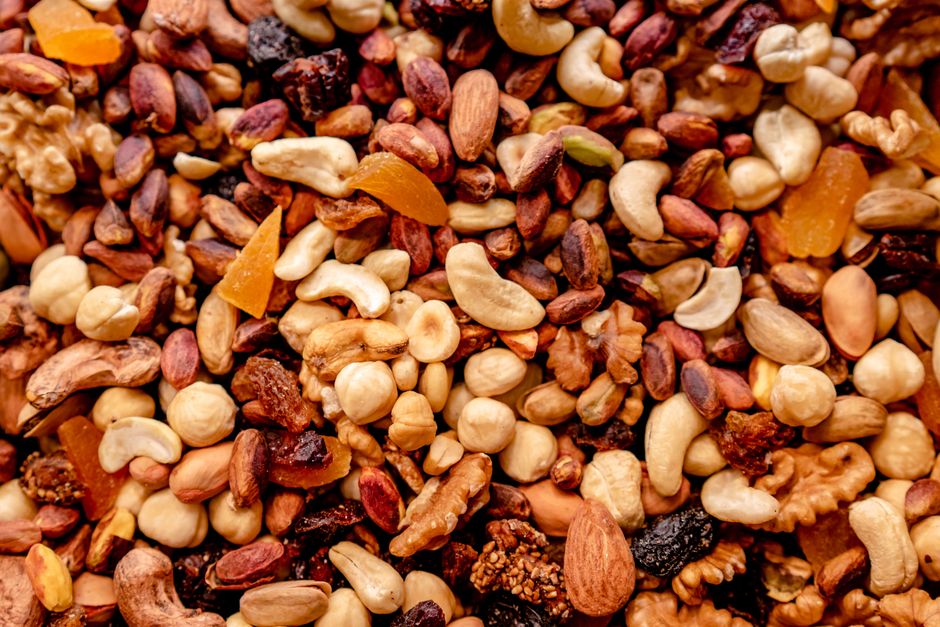
Most people do not struggle to eat protein at dinner. The gap tends to show up in the hours between meals, when whatever is closest to hand wins. Having a few high protein snacks you actually like, and can put together in under five minutes, is a small piece of planning that makes the rest of the day easier.
Why Protein Between Meals Is Worth Thinking About
Protein is the most filling of the three macronutrients, and that part is reasonably well supported: studies consistently find that higher protein meals and snacks lead people to report feeling fuller for longer than carbohydrate-heavy ones of the same calorie count. Spreading protein across the day, rather than loading it all into the evening meal, may support muscle maintenance, particularly for older adults and people who train regularly, though the size of that effect is still debated and the research is far from settled.
What protein snacks will not do is act as a shortcut. They do not burn fat, speed up metabolism in any meaningful way, or make up for an otherwise poor diet. The honest case for them is simpler: they are satisfying, they are easy, and they crowd out the snacks you would probably rather not be eating every afternoon.
What Counts as a High Protein Snack
A useful working target is roughly 10 to 20 grams of protein per snack, which is enough to be noticeable without turning into a full meal. Whole foods generally beat engineered products on cost and on everything else they bring with them, though a bar in a bag is better than nothing at all when the alternative is skipping food entirely.
20 Easy High Protein Snacks
- Plain Greek yogurt — around 15 to 20 grams per three-quarter-cup serving. Add fruit or a spoonful of honey yourself rather than buying the pre-sweetened tubs.
- Cottage cheese — roughly 12 to 14 grams per half cup, and it works in both sweet and savoury directions.
- Two hard-boiled eggs — about 12 grams, and they keep in the fridge for a week once cooked.
- Edamame — a cup of shelled pods gives you close to 17 grams, plus a useful amount of fibre.
- Roasted chickpeas — about 7 grams per half cup, with the crunch that usually sends people towards crisps.
- A tuna pouch — 16 to 20 grams, no draining, no tin opener, and it travels well.
- Sliced turkey or chicken — roughly 20 grams in three ounces. Roll it around a pickle or a strip of pepper.
- A cheese stick — around 7 grams, portioned for you, and it needs no preparation at all.
- Apple slices with cheese — the pairing adds fibre and takes the snack from 7 grams of protein to something more filling.
- Almonds — about 6 grams per ounce, alongside healthy fats. Measure a portion out rather than eating from the bag.
- Pumpkin seeds — roughly 8 to 9 grams per ounce, one of the better plant-based options by weight.
- Peanut butter on whole-grain toast — around 10 grams combined, and it holds up better than either component alone.
- A glass of milk — about 8 grams per cup, and the simplest option on this list.
- Skyr or Icelandic-style yogurt — often 17 grams or more per pot, thicker and less tart than standard Greek yogurt.
- Marinated tofu cubes — roughly 10 grams per half cup of firm tofu, ready to eat straight from the container.
- A cup of lentil soup — around 9 grams, and it doubles as something warm on a cold afternoon.
- Black bean dip with raw vegetables — about 7 grams per serving, and an easy way to get vegetables in alongside.
- Beef or turkey jerky — 9 to 11 grams per ounce. Check the label, as sodium runs high in most brands.
- Tempeh strips — roughly 16 grams per three ounces, and they crisp up in a pan in a few minutes.
- A protein bar or shake — anywhere from 10 to 25 grams depending on the product. Convenient, but treat it as the backup rather than the default.
Reading the Labels Without Getting Lost
Anything marketed as high protein deserves a look at the ingredient list. Bars in particular vary enormously: some are close to a confectionery bar with whey added, and the protein figure on the front tells you nothing about the sugar alcohols, added sugars or calorie count behind it. That is not a reason to avoid them, only a reason to read.
Plant and animal proteins also differ in their amino acid profiles. For people eating mostly or entirely plant-based, variety across the week matters more than optimising any single snack — soy, legumes, nuts and seeds between them cover the ground well.
How to Start
Rather than overhauling everything at once, pick two or three snacks from the list that you would genuinely look forward to, and make sure they are in the house before the week starts.
- Boil a batch of eggs on a Sunday so the easiest option is also the fastest one.
- Keep one shelf-stable choice — a tuna pouch, nuts, a bar — in your bag or desk drawer for the days that get away from you.
- Notice when your afternoon slump actually hits, and eat before it rather than after.
- Pair protein with fibre where you can, since the combination tends to be more satisfying than either alone.
Individual protein needs vary considerably with body size, activity level, age and any existing health conditions, and some people — including those with kidney conditions — have reason to be more careful about protein intake than others. If you are unsure what is appropriate for you, that is a conversation worth having with a doctor or a registered dietitian rather than a question to settle from an article.
This article is for general information only and is not medical advice. Speak with a qualified healthcare professional before making significant changes to your diet, exercise, or health routine.