Snacking has a bad reputation in weight loss advice, and it is only half deserved. What the research actually suggests is that what you snack on matters far more than whether you snack. A snack built around protein, fibre, or both tends to blunt hunger for a few hours; a snack built around refined carbohydrate and little else tends not to. Below are fifteen options that lean on that principle, along with an honest look at how much a snack swap can realistically do.
What Makes a Snack Useful for Weight Loss
There is no food that causes fat loss on its own. What a well-chosen snack can do is make an overall lower-calorie way of eating easier to stick to, which is the part most people find hard. Three features come up repeatedly in the nutrition literature:
- Protein. Protein appears to be the most satiating of the three macronutrients, and higher-protein diets are associated with better appetite control in controlled feeding studies.
- Fibre. Fibre adds volume and slows digestion. Most adults fall well short of recommended intakes, so a fibre-forward snack does double duty.
- A defined portion. Snacks eaten from a large bag are eaten in larger amounts — a reasonably consistent finding in portion-size research. Pre-portioning is unglamorous and effective.
Calorie density matters too, but it is not the whole story. A small handful of nuts is calorie-dense and still a sensible snack, because the volume you actually eat tends to be self-limiting.
15 Healthy Snacks for Weight Loss
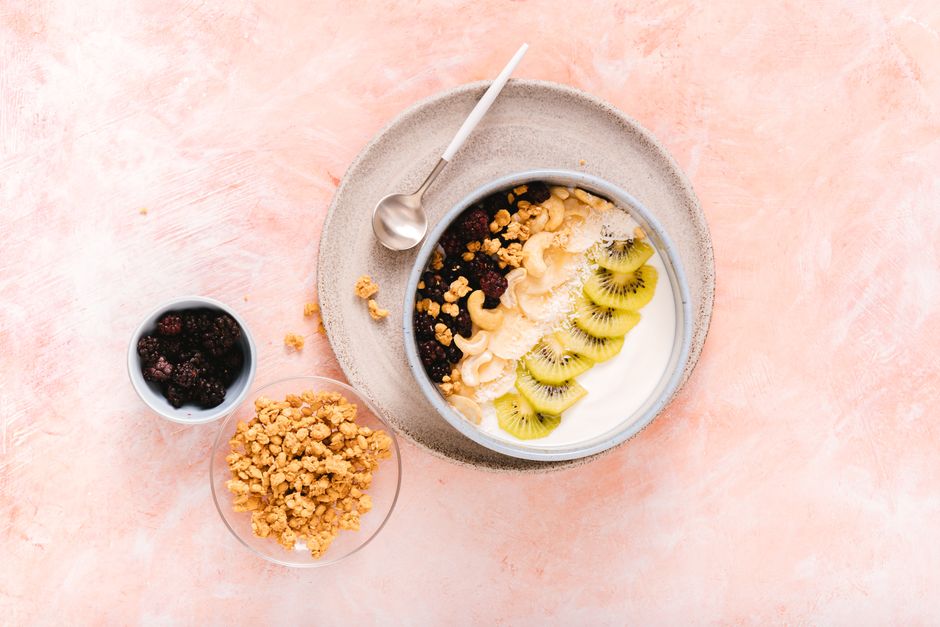
- Greek yogurt with berries. Plain Greek yogurt carries roughly double the protein of regular yogurt, and berries add fibre and sweetness without much sugar. Buying it plain and adding the fruit yourself avoids a surprising amount of added sugar.
- Cottage cheese with black pepper and tomato. High in protein, mild in flavour, and cheap. If the texture puts you off, the whipped versions are worth trying.
- Hard-boiled eggs. Portable, inexpensive, and roughly 6 grams of protein each. Boil a batch at the start of the week and the decision is already made.
- Apple slices with peanut butter. The apple brings fibre and water volume, the peanut butter brings protein and fat so the snack holds. One level tablespoon is usually plenty.
- Roasted chickpeas. A crunchy snack that happens to contain fibre and plant protein, which is not true of most crunchy snacks. Easy to roast at home with paprika or cumin.
- Edamame. A cup of shelled edamame offers a notable amount of protein and fibre for its calorie count. Frozen pods reheat in a few minutes.
- A small handful of almonds or pistachios. Nuts are consistently associated with better diet quality, and observational research has not found the weight gain their calorie density might suggest. Pistachios in shells slow you down, which some people find helpful.
- Hummus with raw vegetables. Carrot, cucumber, and pepper sticks give you volume and crunch; the hummus supplies protein and fat. Portion the hummus into a small bowl rather than dipping from the tub.
- Tuna on whole-grain crackers. One of the highest protein-per-calorie snacks available. Tinned tuna in water, a squeeze of lemon, and a few crackers takes two minutes.
- Air-popped popcorn. A whole grain with real fibre, and three cups is a satisfyingly large amount of food for modest calories. The flavour is in the seasoning, not the butter.
- Cheese with pear or apple. A single portion of cheese with fruit is a genuinely satisfying combination of protein, fat, and fibre. Pre-portioned cheese sticks make the amount obvious.
- Chia pudding. Chia seeds are unusually high in fibre and set overnight in milk into something like a dessert. Made with milk or a fortified alternative, it also contributes protein.
- Turkey or chicken slices rolled with cucumber. Almost entirely protein and water. Look at the sodium on packaged deli meats, and treat heavily processed versions as an occasional option rather than a daily one.
- Lentil or black bean dip with whole-grain pita. Pulses are among the most fibre-dense foods in a normal diet, and there is reasonable evidence linking pulse intake to better satiety.
- A protein smoothie with frozen fruit and spinach. Useful when you want something that feels like a treat. Whole fruit blended with yogurt or milk keeps the fibre; fruit juice as a base does not.
What the Evidence Does and Does Not Say
It is worth being straight about the strength of the research here. The evidence that protein and fibre increase fullness is reasonably good, coming from controlled trials that measure appetite and subsequent food intake. The evidence that snacking itself helps or hurts weight loss is much weaker and genuinely mixed — studies comparing three meals a day with several smaller ones have mostly found little difference once total calories are matched. Claims that eating frequently "boosts metabolism" are not well supported.
The practical reading is modest but useful: snacks are not required, and they are not the problem either. If you get hungry between meals and that hunger leads to eating more than you intended later, a protein-and-fibre snack may support your overall plan. If you do not get hungry, adding snacks for their own sake is unlikely to help.
How to Start
- Pick three options, not fifteen. Choose the three from the list that you would actually eat and shop for those. Variety can come later.
- Portion them on the day you shop. Small containers or bags, set once, remove a decision you would otherwise make while hungry.
- Put them where you look first. Front of the fridge, front of the cupboard, in your bag. Convenience tends to decide these things.
- Notice the timing of your hunger. Most people have one predictable gap — mid-afternoon is common. Aim your snack there rather than grazing all day.
- Give it two or three weeks. Appetite changes are gradual, and any change in weight over a shorter window says more about fluid than about fat.
The Short Version
Snacks that combine protein and fibre in a defined portion tend to keep you full longer, and that makes a lower-calorie way of eating easier to maintain. No snack on this list does anything dramatic, and none of them matters more than your overall pattern of eating, sleep, and activity. Pick a few that suit your taste and routine, keep them easy to reach, and treat the effect as steady rather than fast.
This article is for general information only and is not medical advice. Speak with a qualified healthcare professional before making significant changes to your diet, exercise, or health routine.