
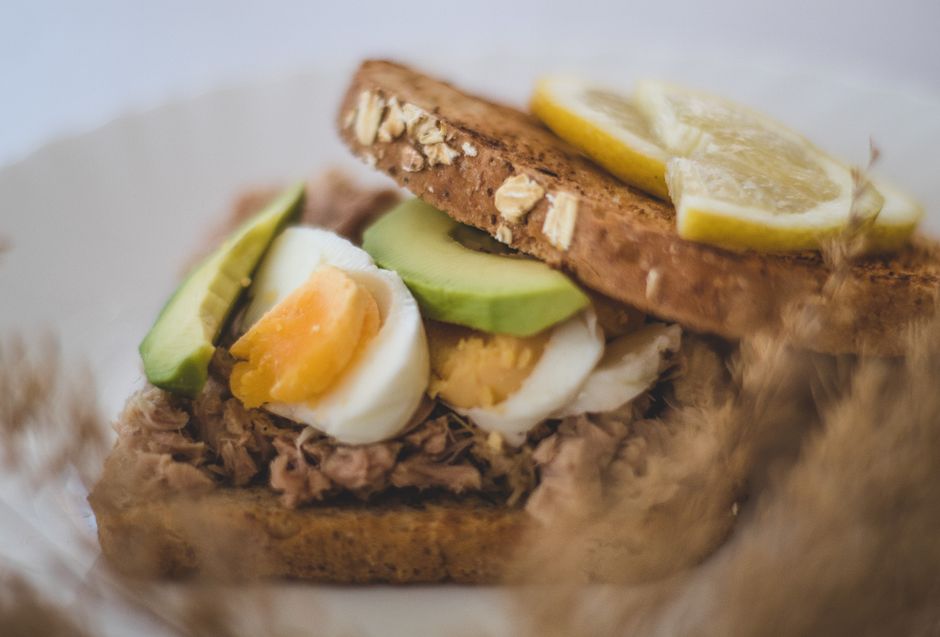
Breakfast is the meal where protein most often goes missing. A bowl of cereal, a slice of toast, or a pastry on the way out the door tends to land somewhere between five and ten grams, which is a long way behind the twenty-five to thirty grams many people manage at lunch and dinner. Shifting some of that protein earlier in the day is one of the simpler changes you can make, and it does not require a complete overhaul of how you eat.
Why Protein at Breakfast Gets So Much Attention
Two reasons come up repeatedly, and they are worth separating because the evidence behind them differs in strength.
- Fullness. Protein is generally the most satiating of the three macronutrients, and a number of short-term trials have found that higher-protein breakfasts leave people feeling fuller and reporting fewer cravings later in the morning. This finding is reasonably consistent, though the effect size varies a lot between individuals.
- Spreading intake through the day. Some research suggests that distributing protein more evenly across meals may support muscle maintenance better than loading most of it into dinner, particularly for older adults. The idea is plausible and increasingly popular, but the long-term evidence is still developing and not everyone in the field agrees on how much the timing matters compared with the daily total.
Worth saying plainly: a higher-protein breakfast is not a weight-loss tool on its own, and claims that it "boosts metabolism" in any dramatic way overstate what the research shows. What it reliably does is make the morning easier to get through without a mid-morning slump into the snack drawer.
10 High Protein Breakfast Ideas
Protein figures below are rough estimates and will shift with brands and portion sizes. Treat them as a guide, not a target.
1. Greek yogurt with berries and seeds
A cup of plain Greek yogurt sits around fifteen to twenty grams of protein, roughly double most conventional yogurt. Adding a tablespoon of pumpkin or hemp seeds and a handful of berries turns it into something closer to a meal. Buying it plain and sweetening it yourself keeps the added sugar well below what most flavoured tubs carry.
2. Eggs, however you like them
Two large eggs give you about twelve grams. Scrambled, boiled, or folded into an omelette with whatever vegetables need using up, they are hard to beat for convenience. Boiling half a dozen at the start of the week solves several breakfasts at once.
3. Cottage cheese, sweet or savoury
Cottage cheese has quietly become a favourite again, and for good reason: half a cup carries around fourteen grams. It works with fruit and honey, or with tomatoes, black pepper and olive oil on toast if you prefer a savoury start.
4. Overnight oats built on milk or yogurt
Oats alone contribute a modest amount of protein. Soaking them in milk or Greek yogurt rather than water, and stirring in a spoonful of nut butter or a scoop of protein powder, lifts a typical serving into the fifteen to twenty-five gram range. The overnight part means no morning effort at all.
5. A simple protein smoothie
Milk or a fortified soy drink, a banana, a spoonful of nut butter and either Greek yogurt or a scoop of powder will usually land between twenty and thirty grams. Smoothies are useful for people who struggle to eat early, though whole foods tend to be more filling than the same ingredients blended.
6. Tofu scramble
Firm tofu crumbled into a pan with turmeric, onion and spinach gives a plant-based scramble at roughly fifteen to twenty grams per serving. It takes about the same time as eggs and reheats better than you might expect.
7. Smoked salmon on wholegrain toast
Around fifteen grams from a modest portion of salmon, plus fibre from the bread and some unsaturated fats. It is not an everyday option for most budgets, but it is a strong one when you want breakfast to feel like an occasion. Smoked fish is high in sodium, so it suits occasional rather than daily eating.
8. Lentil or bean breakfast bowls
Plenty of cuisines have never treated beans as an evening-only food. A cup of cooked lentils brings about eighteen grams, and warmed with spices, a fried egg and some greens it makes a genuinely substantial plate.
9. Edamame, hummus and wholegrain crackers
A no-cook combination for people who are not hungry first thing but want something portable. A cup of shelled edamame alone is around seventeen grams, and hummus adds a few more alongside fibre.
10. Leftovers from last night
The least glamorous idea here and possibly the most useful. Yesterday's chicken, fish, chilli or curry is already cooked, already protein-rich, and removes the decision entirely. There is nothing nutritionally special about traditional breakfast foods.
What About Protein Powders and Bars?
They are convenient and they count. They are also, as a rule, more expensive per gram than yogurt, eggs or beans, and bars in particular can carry a lot of added sugar behind a high-protein label. Reading the ingredients rather than the front of the packet is the whole trick. For most people they are a reasonable backup rather than a foundation.
How to Start Without Overthinking It
- Look at what you eat now. Estimate the protein in your current breakfast for a few days. Many people find they are already doing better than they assumed, or that the gap is only one ingredient wide.
- Change one thing. Swap regular yogurt for Greek, add an egg, or stir nut butter into your oats. Single swaps stick; complete redesigns usually do not.
- Do the work the night before. Boiled eggs, overnight oats, and portioned smoothie ingredients in the freezer remove the morning friction that derails good intentions.
- Keep the rest of the plate intact. Protein is one part of breakfast. Fruit, vegetables and wholegrains bring fibre and micronutrients that a protein-only meal misses.
- Give it a couple of weeks. Notice whether you are genuinely less hungry by eleven o'clock. If nothing changes for you, that is useful information too.
A Few Sensible Cautions
Most healthy adults tolerate a higher-protein breakfast without any difficulty. If you have kidney disease or any condition where protein intake is being managed, the right amount for you is a question for the clinician looking after you, not for a general article. Anyone with food allergies, and anyone who is pregnant, will have their own considerations around fish, eggs and soy. And if you simply are not hungry in the morning, forcing breakfast is not obviously beneficial; the daily total matters more than any single meal.
This article is for general information only and is not medical advice. Speak with a qualified healthcare professional before making significant changes to your diet, exercise, or health routine.